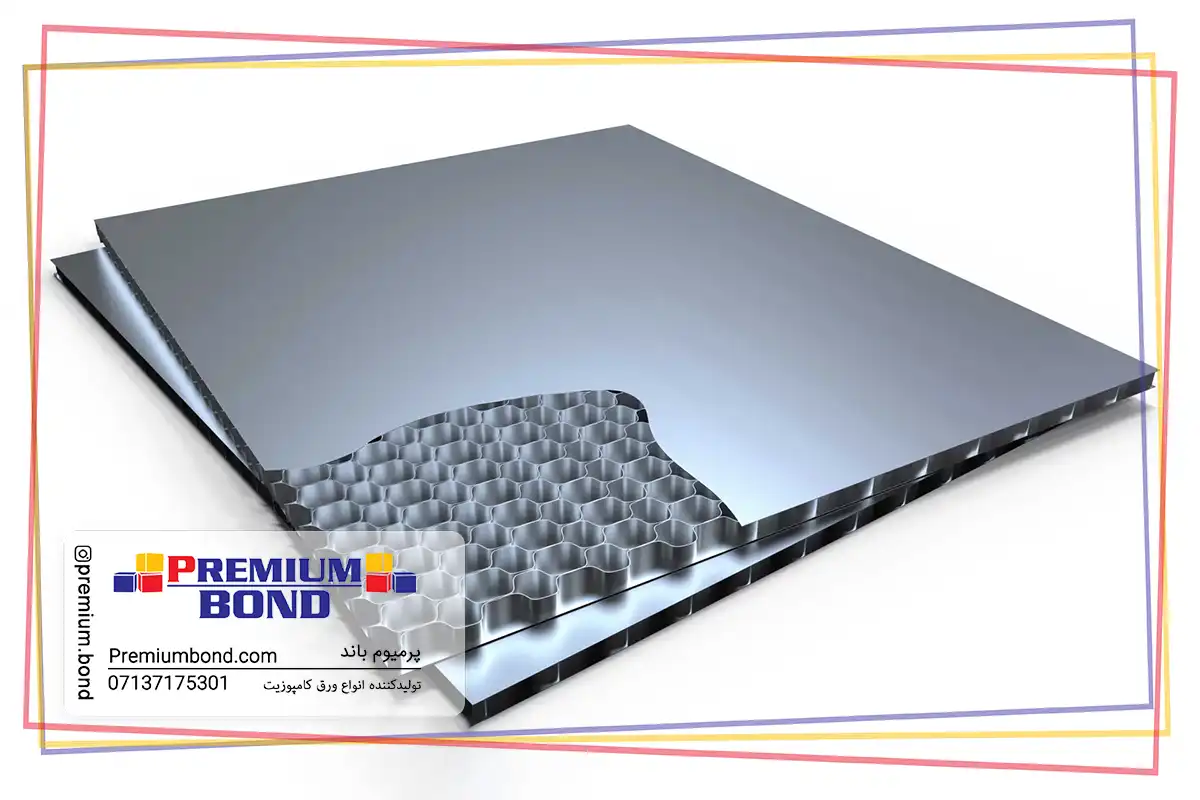
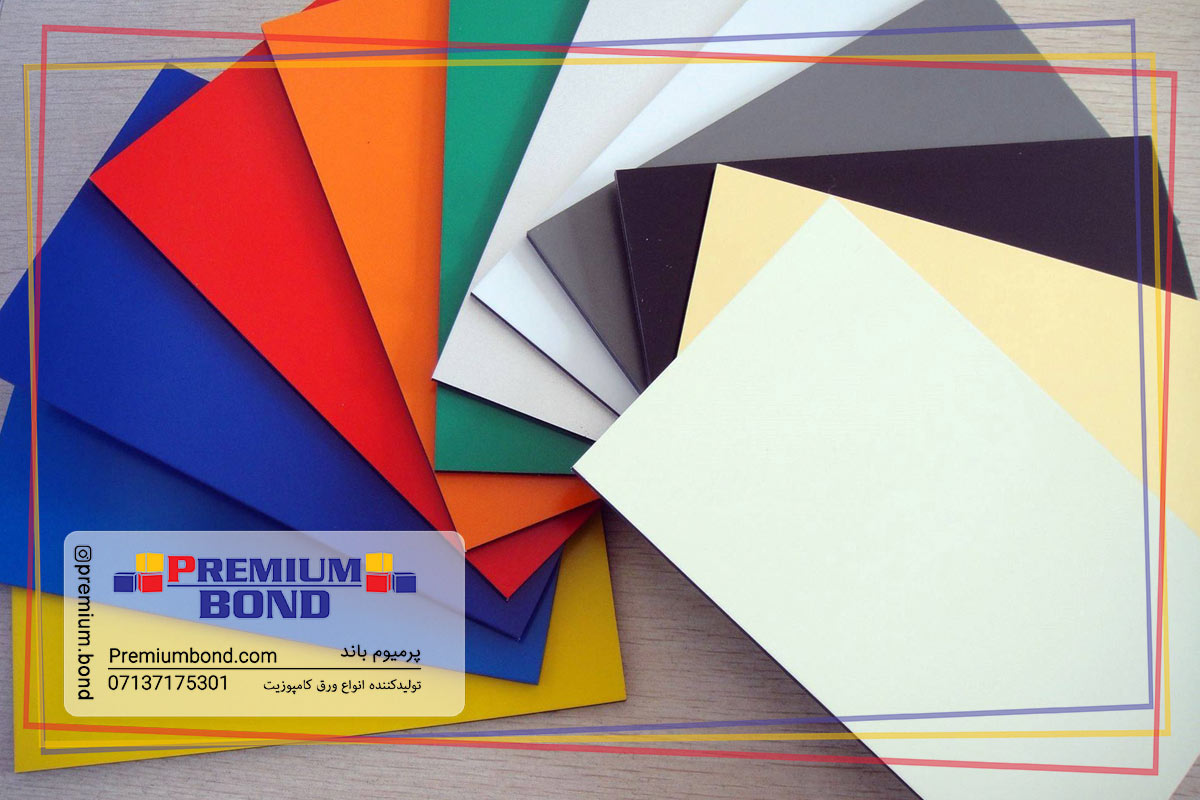
Aluminium composite facade waterproofing is one of the most popular and practical solutions. These materials, despite their strong and durable structure, still require some maintenance. One of the most important actions for protecting aluminium composite panels is proper waterproofing of the facade.
Professional aluminium composite facade waterproofing exterior increases the lifespan of these panels because it prevents moisture and various damaging environmental factors from penetrating the material. But the main question is: what are the benefits of waterproofing aluminium composite facades? In this article from Premium Bond, we will thoroughly discuss the process of waterproofing aluminium composite facades.
The Importance of Aluminium Composite Facade Waterproofing
Aluminium composite facade waterproofing is a method used to increase the useful lifespan of building materials and facade coverings. For protecting the original quality of complex composite materials, waterproofing is considered one of the first and most important steps.
Over the years, one of the main problems causing the most damage to buildings has been the penetration of moisture into the facade. Fortunately, with today’s aluminium composite facade waterproofing exterior methods, this issue has been completely resolved and the facades are insulated against water intrusion.
In rainy climates, the importance of aluminium composite facade waterproofing exterior increases significantly because rainwater is highly acidic and can easily damage materials such as cement, stone, metal, brick and composite.
The Most Important Advantages of Waterproofing Composite Facades
Waterproofing composite facade coverings has many benefits for project managers and building residents. One of the most important advantages is protecting the materials against different weather conditions such as winter cold and summer heat. Simply put, aluminium composite facade waterproofing helps prevent the infiltration of cold and heat into the building.
On the other hand, waterproofing also ensures excellent insulation of the facade.
Methods of Aluminium Composite Facade Waterproofing
For professional and engineered aluminium composite facade waterproofing, three main methods are commonly used:
- Pipe foam and sealant adhesive
- Waterproof membranes
- Rubber gaskets
Pipe Foam and Special Waterproof Adhesive Method
In some projects using aluminium composite panels, a combination of pipe foam and waterproof adhesives is used to create a protective barrier against water and moisture. The unique structure of the pipe foam allows it to fill the gaps between composite sheets and provide insulation. At the same time, high-quality waterproof adhesives are used to enhance the durability and longevity of the pipe foam.
One of the main advantages of this aluminium composite facade waterproofing exterior method is its quick and easy installation with a relatively reasonable cost. However, compared to the use of rubber gaskets, the installation and execution costs are higher.
Waterproofing Aluminium Composite Panels with Rubber Gaskets
The second common method for facade waterproofing—especially for composite facades—is the use of rubber gaskets. These gaskets, when placed between the gaps of composite panels, prevent the infiltration of moisture, insects, and even dust into the joints. A key feature of rubber gaskets is their waterproof nature, high elasticity, and resistance to sunlight. However, after installation, attention should be paid to the following:
- Possible drying of the material over time
- Needs maintenance and repair
Waterproofing Composite with Waterproof Membranes
Recently, a new method for aluminium composite facade waterproofing exterior has been developed, especially for composite facades. In this method, thin waterproof membrane coatings are used as an insulating layer for facades. The membranes used in this approach are highly resistant to moisture and UV rays, and they prevent the transfer of cold and heat into the building.
The outstanding advantage of the membrane waterproofing method, which distinguishes it from other methods, is that it does not require expensive maintenance or regular inspections. For this reason, this method is more economical in the long term and offers a longer useful lifespan.
The Best Sealant Adhesive for Aluminium Composite Facade Waterproofing
One of the most important factors when using the combination of pipe foam and adhesive for aluminium composite facade waterproofing is choosing a high-quality waterproof sealant. Currently, polyurethane sealants are among the best options for securing insulation to facade panels. Polyurethane waterproof adhesives are available in black, white, and gray colors.
It is worth mentioning that in many cases, rubber gaskets may lose their original properties over time. Therefore, to restore their performance, special waterproof adhesives must be used.
Choosing the Best Method for Waterproofing Aluminium Composite Panels
To choose the most efficient and cost-effective method for aluminium composite facade waterproofing exterior, you first need to consider the type and design of the composite panel. In fact, for more complex panel designs, a more precise method such as the combination of pipe foam and adhesive should be used for waterproofing.
The second important factor in selecting the appropriate aluminium composite facade waterproofing method is the cost of installation and execution. It is best to choose the method that fits your budget and financial capability.
Conclusion on Aluminium Composite Facade Waterproofing
Aluminium composite facade waterproofing is essential to prevent premature deterioration and ensure long-lasting quality. Choosing the right waterproofing method has a direct impact on the efficiency and performance of the facade. That’s why it is recommended to always consult with experienced and qualified professionals before deciding on the best aluminium composite facade waterproofing exterior solution for your building.